
Forestry · Pulp & Paper
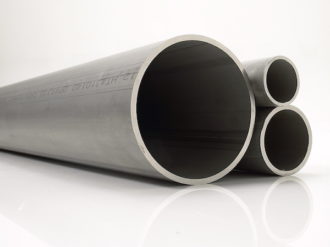
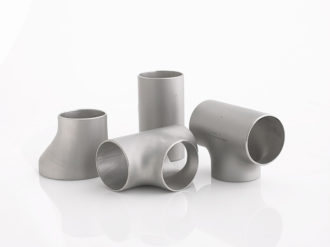
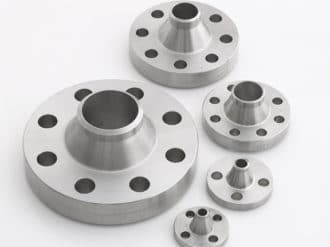
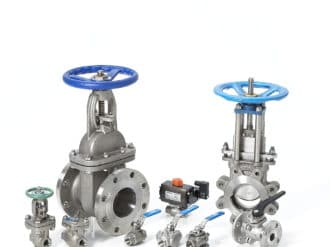
Stainless Piping for Continuous-Process Mill Environments
Austenitic and duplex stainless steel for kraft cooking, bleach plant, and chemical recovery applications — where the wrong alloy selection means unplanned downtime in a facility that cannot afford to stop.
304L · 316L · 317L · 317LMN · 2205 · 254SMo
ASME B31.3 · ASTM A312 · A182 · A403 · TAPPI engineering standards
Sector Overview
Pulp and Paper Mills Run Continuous Processes on Aggressive Chemistry
A kraft pulp mill is one of the most corrosively demanding environments for piping materials. Cooking liquors combine sodium hydroxide and sodium sulphide at high temperature and pressure. Bleach plants expose piping to chlorine dioxide, hydrogen peroxide, and acidic chlorine environments that cause rapid pitting and stress corrosion cracking in under-specified grades. Chemical recovery circuits cycle between caustic and acidic conditions in the same facility.
Unified Alloys has been supplying pulp and paper operations with stainless piping since 1976. We understand that continuous-process mills cannot absorb unplanned shutdowns — material selection that reduces corrosion-driven failures directly reduces maintenance costs and protects production uptime. Our team specifies across the full range of alloys used in mill environments, from 304L in alkaline service to high-molybdenum grades and duplex stainless in the bleach plant.
We supply from our Edmonton, Sarnia, Dorval, and Langley branches, with 48-hour typical ship time from stock for standard grades and MTRs supplied with all orders.
Grade selection in pulp and paper environments is process-unit specific. Alkaline (kraft/caustic) service and acidic (bleach plant) service have different alloy requirements — the wrong grade in the wrong unit is a reliability problem, not just a cost issue. Our technical team can advise by process unit.
Kraft Cooking — Alkaline High-Temperature Service
Cooking liquors (sodium hydroxide and sodium sulphide) at high temperature and pressure are aggressive toward sensitised austenitic stainless. 304L and 316L are standard for alkaline cooking service with appropriate weld quality and heat treatment controls; lean duplex 2304 is an alternative where higher strength is required.
Typical Grades
304L · 316L · 2304
Bleach Plant — Acidic Chlorine Environments
Chlorine dioxide and hydrogen peroxide bleaching environments are among the most demanding service conditions for stainless piping. Standard 316L is marginal in many bleach plant applications — 317L, 317LMN, and high-molybdenum grades including 254SMo and duplex 2205 are typically specified for chlorine dioxide service where pitting and crevice corrosion resistance is critical.
Typical Grades
317L · 317LMN · 2205 · 254SMo
Hot Chloride Service — Stress Corrosion Cracking
Closed cooling and process water circuits above 50°C in chloride-bearing environments cause stress corrosion cracking in 304 and 316 series stainless. Duplex 2205 — with its two-phase microstructure — provides substantially better SCC resistance than austenitic grades in hot chloride service, making it the preferred specification for these circuits in modern mill designs.
Typical Grades
2205 · 2507
Chemical Recovery and Evaporator Circuits
Evaporator circuits concentrating black liquor operate at elevated temperature in a strongly alkaline environment. 316L is standard for most evaporator piping; higher-alloy grades are specified in the final-effect evaporators where temperature and concentration are highest.
Typical Grades
316L · 317L
Weld Quality and Surface Condition
In continuous-process environments, poorly executed welds create crevices where corrosive process fluids concentrate and attack the heat-affected zone. Our technical team can advise on weld procedure requirements and post-weld treatment — electropolishing and passivation — for critical service piping.
Typical Grades
316L · 317L · 2205 (weld-qualified)
Ready to Order or Need Help Sizing?
Our technical sales team can help you select the right size, material, and configuration for your application.