
When strength meets stability, remarkable things happen.
This rings true when evaluating two stalwarts of the stainless steel world—grade 316 and its low-carbon variant, 316L.
At first glance, they appear almost identical. But look closer, and you’ll uncover a nuanced difference that makes all the difference based on your application.
Here’s an inside look at how a tiny variation in carbon content sets 316 and 316L grades apart, influencing everything from corrosion resistance to weldability.
Discover how this seemingly minor distinction can lead to significant advantages, helping you select the optimal grade and avoid potential pitfalls for your next project.
Whether you’re an engineer exploring metals for a marine application or a procurement manager sourcing materials for a new energy plant, this guide breaks down the critical contrasts between these two powerhouse performers.
Read on to uncover which grade’s strengths align with your needs—316 with its robust durability or 316L with its superior stability. Your choice today can impact operational costs and safety for years to come.
Let’s dive in and determine the right fit for your high-performance goals.
The Basics of 316 and 316L Stainless Steels
Searching for anything related to stainless steel applications and two types of stainless steel will likely fill the results—316 and 316L.
Known for their strength, durability, and corrosion resistance, these alloys present a versatile material solution across industries big and small.
But what is the main difference between 316 and 316L stainless steel?
It all comes down to a slight variation in carbon content.
However, that small variation can create noticeable differences in performance.
While both contain chromium for surface protection and nickel for enhanced ductility, 316 has a higher maximum carbon content of 0.08%.
In contrast, 316L has a maximum of 0.03% carbon content.
This seemingly tiny distinction significantly impacts material behaviour during manufacturing and operation.
Whether constructing offshore rigs or building pharmaceutical plants, uncovering the contrasts between 316 and 316L paves the way for informed materials choices that balance strength, weldability, and corrosion resistance.
Implications of Higher Carbon Content
The carbon content in stainless steel is critical in determining its mechanical properties, corrosion resistance, and weldability.
Specifically, in 316 stainless steel, a higher carbon composition offers advantages and disadvantages that are important to consider in various applications.
Enhanced Hardness and Tensile Strength
One of the most significant benefits of higher carbon content is the material’s increased hardness and tensile strength.
Carbon is a hardening agent, allowing the steel to withstand greater mechanical stresses.
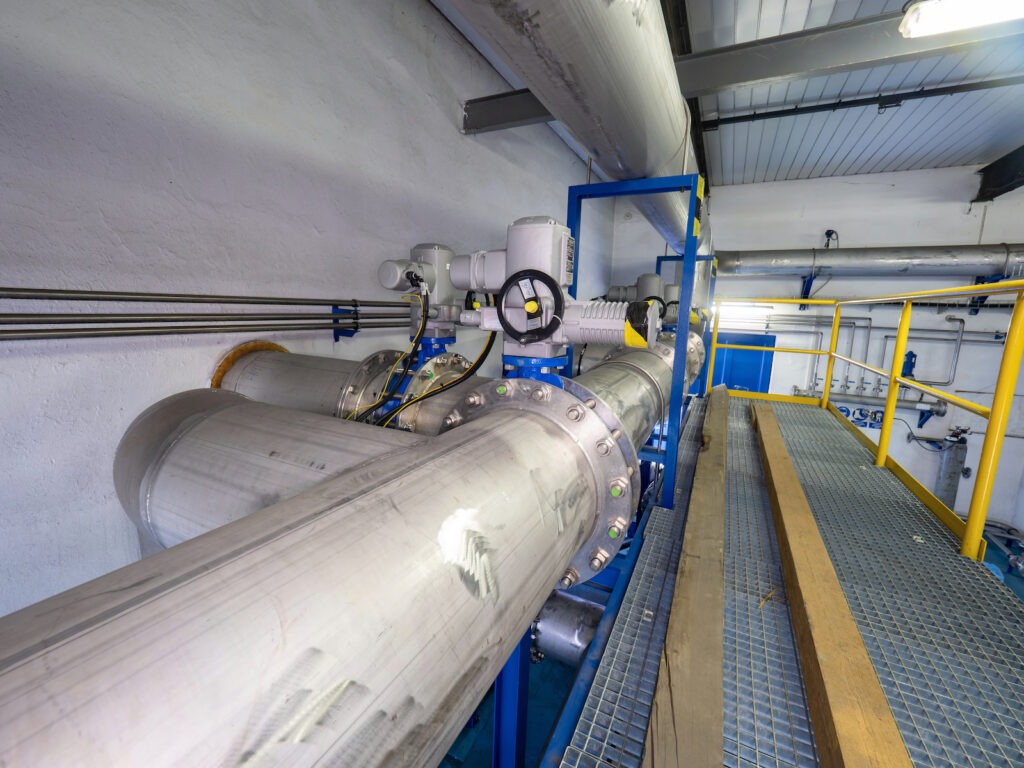
This makes 316 stainless steel, with its higher carbon content, particularly useful in applications that require robustness and durability.
For example, it may be used in high-pressure systems, aerospace components, and industrial machinery where the material is subjected to extreme temperatures and pressures.
Improved High Temperature Resistance
The added robustness also extends to the material’s ability to withstand high temperatures.
Higher carbon content can improve the steel’s resistance to thermal degradation, making it suitable for applications like exhaust systems, furnaces, and chemical reactors, where elevated temperatures are a concern.
Risk of Carbide Precipitation
One of the significant drawbacks of higher carbon content is the risk of carbide precipitation during welding.
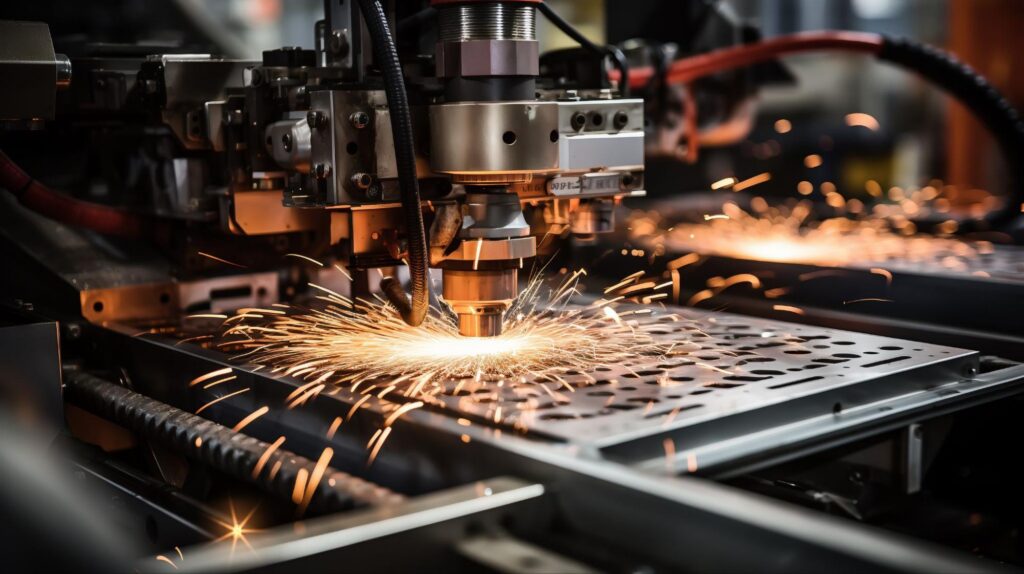
When the steel is heated, carbon combines with chromium to form chromium carbide, which precipitates at the grain boundaries.
This depletes the surrounding area of chromium, a key element responsible for corrosion resistance.
Intergranular Corrosion and Weld Decay
When carbide precipitation occurs, it can lead to a phenomenon known as intergranular corrosion.
This type of corrosion attacks the grain boundaries, weakening the material structure.
In severe cases, this can result in localized material breakdown, known as weld decay. Weld decay compromises the integrity of the welded joints, making them susceptible to failure under mechanical stress or corrosive environments.
In summary, while higher carbon content in 316 stainless steel offers enhanced mechanical properties, it also introduces challenges, particularly during welding.
Understanding these implications is crucial for selecting the appropriate material and welding procedures for specific applications.
Advantages of Lower Carbon Content
The 316L stainless steel variant is specifically designed to have a lower carbon content than its 316 counterpart.
This modification brings about a set of advantages and disadvantages that are crucial for various industrial and commercial applications.
Excellent Weldability
One of 316L stainless steel’s most significant advantages is its weldability.
The lower carbon content minimizes the risk of carbide precipitation during welding, making it easier to achieve strong and reliable welds.
This is particularly beneficial in applications requiring extensive welding, such as when constructing pipelines, tanks, and pressure vessels.
Resistance to Sensitization and Corrosion
The reduced carbon content also enhances the material’s resistance to sensitization, a form of corrosion that occurs at grain boundaries.
Sensitization is often a precursor to more severe forms of corrosion, such as intergranular corrosion and pitting.
Therefore, 316L’s resistance to sensitization makes it highly desirable in corrosive or chloride rich environments.
Superior Immunity to Weld Decay
316L’s resistance to carbide precipitation translates into an excellent immunity to weld decay.
The lower risk of weld decay makes 316L a preferable choice for applications that involve complex welding operations.
Long Term Reliability
The lower risk of pitting and crevice corrosion means that 316L offers long-term reliability, especially in harsh conditions like marine environments, chemical processing plants, and high-salinity or chloride-heavy settings.
Reduced Mechanical Strength
While the lower carbon content offers excellent weldability and corrosion resistance, it also slightly reduces mechanical strength compared to standard 316 stainless steel.
This makes 316L less suitable for applications that require high tensile strength and hardness.
Potential for Galling
Lower carbon content can also make the material more susceptible to galling, a form of wear caused by adhesion between sliding surfaces.
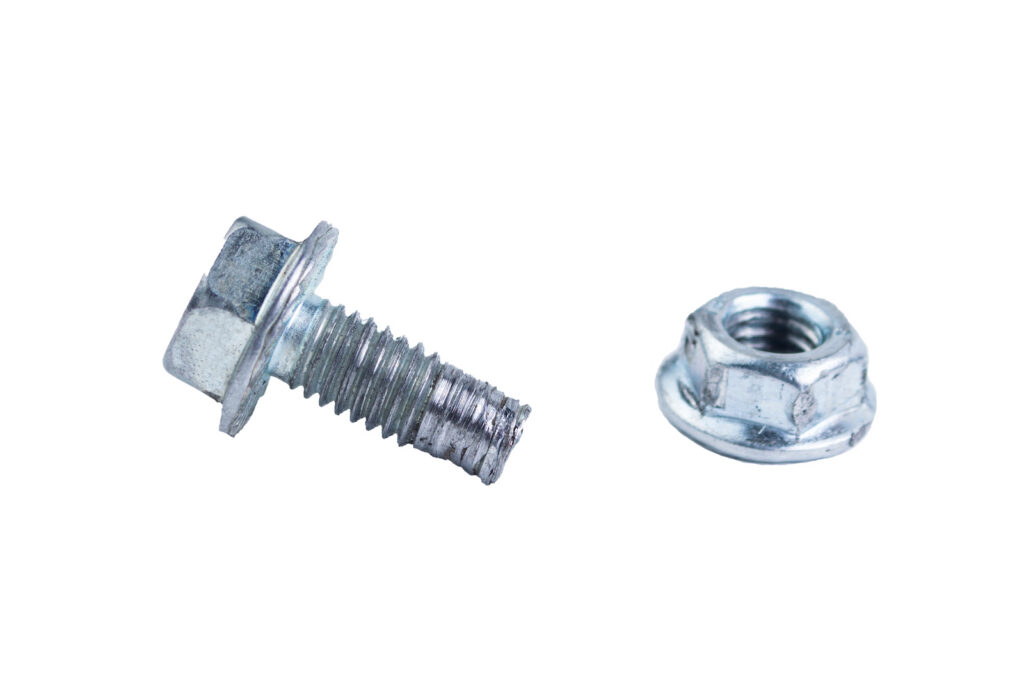
This is mainly a concern in applications where components are subject to frequent movement and friction.
Cost Considerations
316L stainless steel can sometimes be more expensive than its higher carbon counterpart due to the additional processing required to reduce the carbon content.
However, examining long-term costs reveals the advantages of 316L in many applications.
The superior weldability translates into reduced labour for post-weld treatment. Lower intergranular corrosion also minimizes repair and replacement needs.
This enhances lifespan and minimizes lifecycle costs.
As you can see, cost considerations for 316L can be tricky.
In many cases, lower maintenance expenses and fewer replacements over decades of service will offset the higher upfront cost of 316L.
In summary, 316L stainless steel with lower carbon content offers a range of advantages, particularly in terms of weldability and corrosion resistance.
However, these benefits come at the expense of reduced mechanical strength and potential susceptibility to galling.
Uses of Grade 316 Stainless Steel in Global Industries
Below are examples of 316 stainless steel uses across major industries, along with why this grade is ideal for each application.
Marine Industry
Use: Shipbuilding and Marine Equipment
Grade 316 stainless steel is highly resistant to saltwater corrosion, making it an excellent material for shipbuilding, including hulls, railings, and deck hardware.
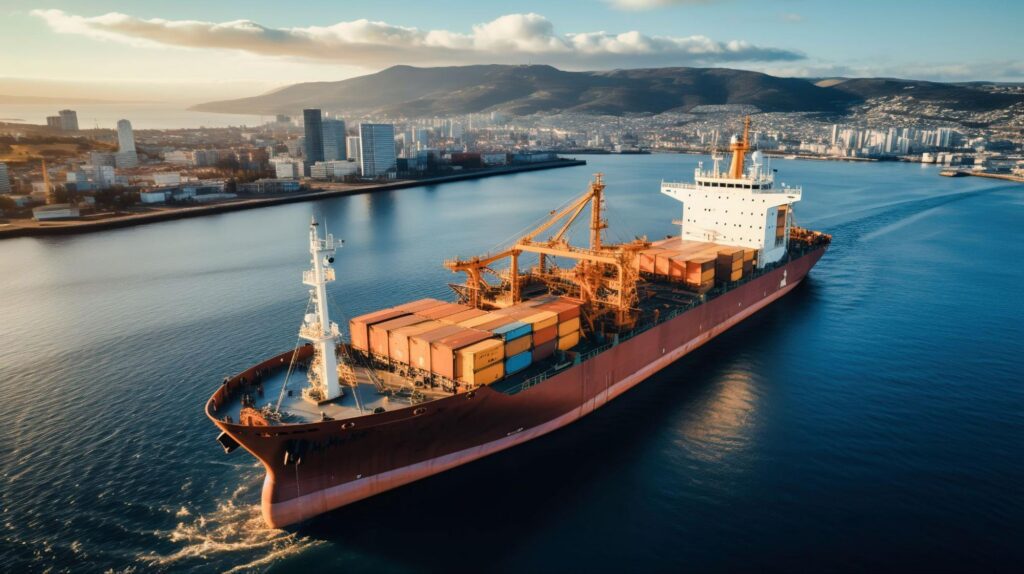
Its mechanical strength ensures durability, while its resistance to pitting and crevice corrosion provides long-term reliability in harsh marine conditions.
Chemical Processing Industry
Use: Chemical Reactors and Storage Tanks
The chemical resistance of grade 316 stainless steel makes it suitable for containing aggressive chemicals and solvents.
Its ability to withstand high temperatures and pressures is crucial for chemical reactors, where controlled reactions often occur under extreme conditions.
Medical Industry
Use: Surgical Instruments and Medical Implants
Grade 316 stainless steel is biocompatible and resistant to corrosion from bodily fluids, making it ideal for surgical instruments like scalpels, forceps, and medical implants such as joint replacements.
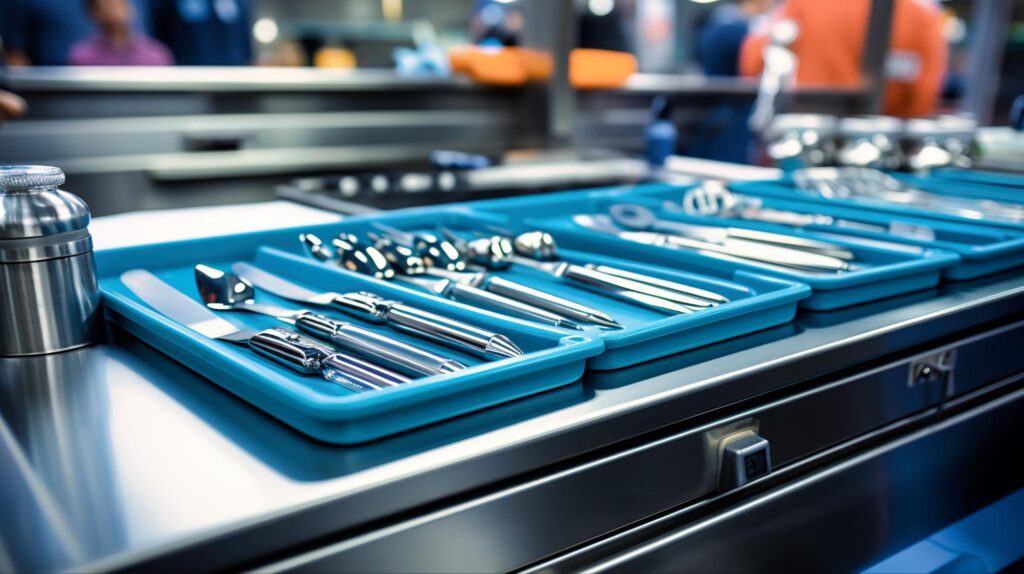
Its mechanical strength and durability are essential for long-lasting, reliable performance in medical applications.
Uses of Grade 316L Stainless Steel in Major Industries
Here are some of its uses across major industries and reasons why this grade is ideal for each application.
Food and Beverage Industry
Use: Food Processing Equipment
The excellent corrosion resistance of 316L stainless steel makes it ideal for food processing equipment,
particularly when dealing with acidic foods or sanitizing agents.
Its lower carbon content minimizes the risk of contamination, making it a safe choice for food contact surfaces.
Pharmaceutical Industry
Use: Pharmaceutical Reactors and Storage Vessels
316L stainless steel is often used in pharmaceutical reactors and storage vessels due to its resistance to corrosion from harsh chemicals and excellent weldability.
The lower carbon content minimizes the risk of carbide precipitation during welding, ensuring the integrity of welded joints, which is crucial in pharmaceutical applications.
Water Treatment Industry
Use: Water Filtration Systems
The corrosion resistance of 316L stainless steel is particularly beneficial in water treatment settings, where the material may be exposed to various chemicals and corrosive agents.
Its lower carbon content also makes it easier to weld, allowing for the construction of complex filtration systems.
316/316L Alternatives to Consider
In the world of stainless steel, grades 316 and 316L often steal the spotlight. However, other stainless steel grades might offer additional benefits depending on your needs.
Comparing with 304 and 304L Stainless Steel
Like 316, grade 304 stainless steel offers a versatile corrosion-resistant material solution. It shares a similar chromium and nickel composition but contains no molybdenum.
The lack of molybdenum reduces its corrosion protection, making 304 less suited for saline, acidic, or chloride-containing environments than 316—however, 304 costs less due to lower alloying requirements.
For applications not exposed to harsh conditions, 304 can provide a more economical choice than 316. But for marine use or chemical processes, the enhanced durability and lifespan of 316 justify the added expense.
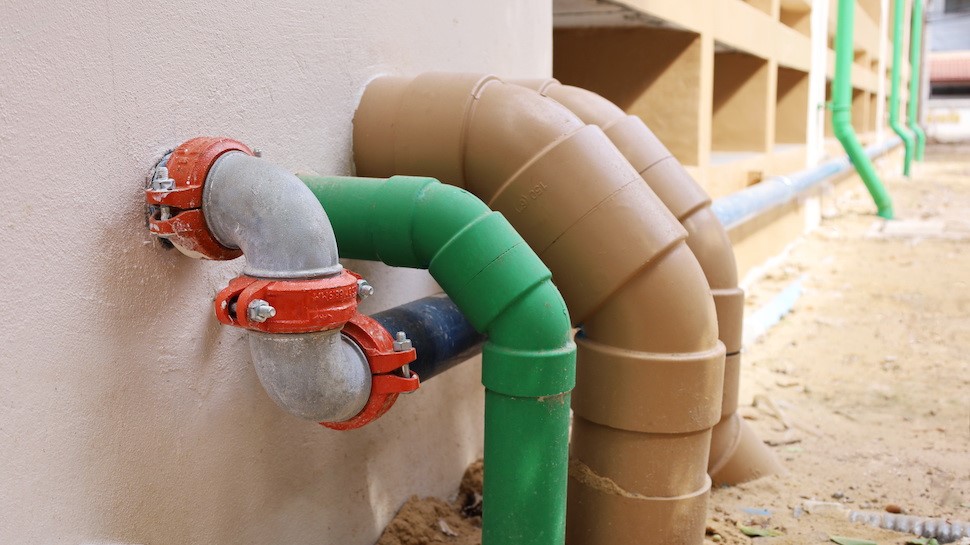
304L provides a lower carbon variant to improve weldability, similar to 316L. But, 304L still lacks molybdenum for optimal corrosion performance in demanding atmospheres.
Applications where 304/304L might provide benefits over 316/316L include:
- Kitchen appliances
- Automotive trim
- Architectural panels
- Food and beverage equipment
- Heat exchangers
- Chemical containers
- Plumbing fixtures
- Indoor railings
- Decorative accents
- Brewery equipment
- Textile processing equipment
- Hospital equipment
- Electrical enclosures
Taking Into Account 317 and 317L Stainless Steel
For severely corrosive conditions, 317 stainless steel alloys offer further enhanced corrosion resistance over 316/316L. The higher molybdenum and chromium composition of 317 improves
resistance to pitting, crevice corrosion, and chemical attacks.
This makes 317 well-suited for applications involving strong acids or brines in chemical processing and pulp/paper production industries.
The higher alloying additions of 317 also come at a premium cost.
317L provides a low-carbon variant with excellent weldability matching 316L.
In highly oxidative or acidic environments, the superior corrosion protection of 317L justifies the added expense over 316L.
Applications where 317/317L might provide benefits over 316/316L include:
- Chemical processing tanks
- Pulp and paper manufacturing
- Flue gas desulfurization systems
- Petrochemical equipment
- Air pollution control equipment
- Marine applications
- Waste treatment plants
- Power generation components
- High-temperature applications
- Acid-resistant equipment
- Pharmaceutical vessels
- Textile dyeing equipment
Exploring 316Ti Stainless Steel
Grade 316Ti contains titanium additions to improve the corrosion resistance properties of 316 further.
The titanium stabilizes the microstructure and minimizes harmful carbide precipitation during welding or high temperature exposure.
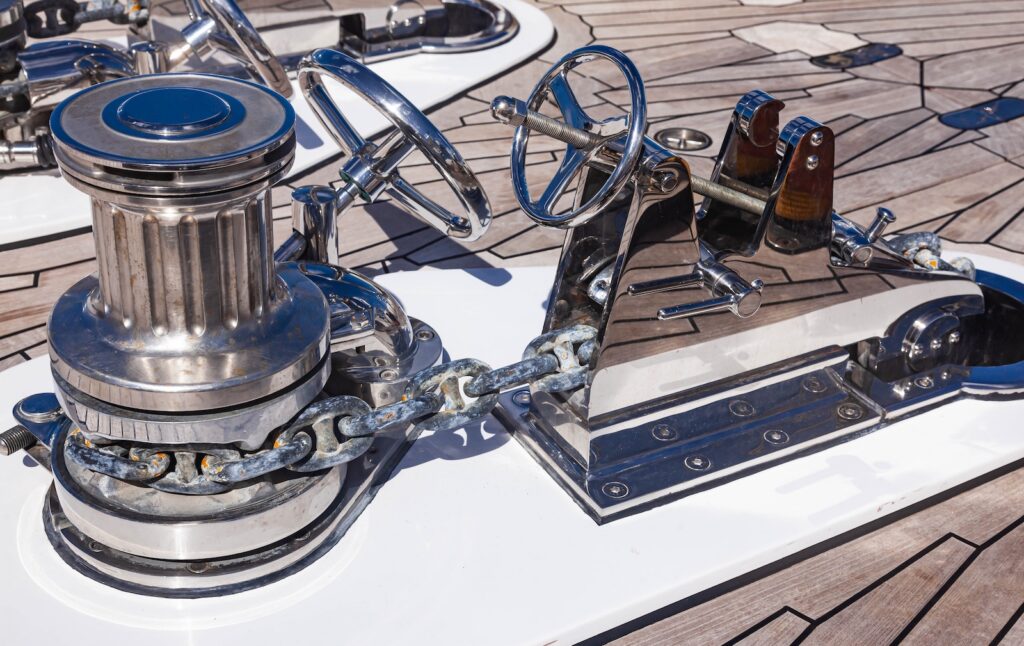
This enhancement makes 316Ti ideal for applications involving elevated temperatures, like heat exchangers or exhaust systems.
It also maximizes weldability for critical welded structures.
For extreme temperatures or welding conditions, the superior microstructural stability of 316Ti may warrant the extra cost. But 316L provides sufficient protection at a lower alloying price for less demanding situations.
Applications where 316TI might provide benefits over 316/316L include:
- High-temperature environments
- Elevated levels of mechanical stress
- Applications requiring greater creep resistance
- Situations with fluctuating thermal conditions
- Cryogenic structures
- Automotive exhaust systems
- Furnace components
- Chemical processing equipment in aggressive environments
- Aerospace components
- High-stress industrial settings
- Marine environments with extreme temperature variations
- Structural applications requiring high strength at elevated temperatures
Frequently Asked Questions about 316 vs. 316L Stainless Steel
1. When is 316 stainless steel preferable over 316L?
Grade 316 is preferred when higher strength and hardness are needed, such as for structural components, pressure vessels, and marine propellers.
2. Can you use 316L in place of 316 in most applications?
In many cases, 316L provides equal or better corrosion resistance. Exceptions would be where maximum tensile strength is needed.
3. Can you use 316 stainless steel in marine applications?
Yes, 316 stainless steel is highly resistant to saltwater corrosion and is often used in marine applications like shipbuilding and marine equipment.
4. What are the temperature limitations for 316 and 316L stainless steel?
Both 316 and 316L can withstand temperatures up to approximately 870°C (1600°F). However, prolonged exposure to high temperatures may reduce their mechanical
properties.
5. Is 316L suitable for food and beverage applications?
316L’s excellent corrosion resistance and lower carbon content make it ideal for food and beverage equipment, particularly when dealing with acidic foods or sanitizing agents.
6. Can you magnetize 316 and 316L stainless steel?
Both 316 and 316L are generally considered non-magnetic in their annealed state. However, they may become slightly magnetic when cold-worked.
7. Is 316L stainless steel biocompatible?
Yes, 316L is often used in medical applications like surgical instruments and implants due to its biocompatibility and resistance to corrosion from bodily fluids.
Conclusion
With critical factors like weldability, strength, and corrosion resistance hanging in the balance, selecting the correct stainless steel grade for your application
is crucial.
Whether construction needs demand hearty 316 or safety concerns call for stable 316L, understanding the nuances between these grades empowers informed material choices.
Partnering with trusted experts can provide invaluable guidance in navigating alloy selection.
For over 40 years, Unified Alloys’ experienced sales staff have guided companies across North America to the ideal stainless steel solutions with insights tailored to your operational needs.
Consult with Unified Alloys’ experienced sales analysts today to determine if robust 316 or reliable 316L best fits your project.
Our real-world expertise can help set your project up for long-term success.